

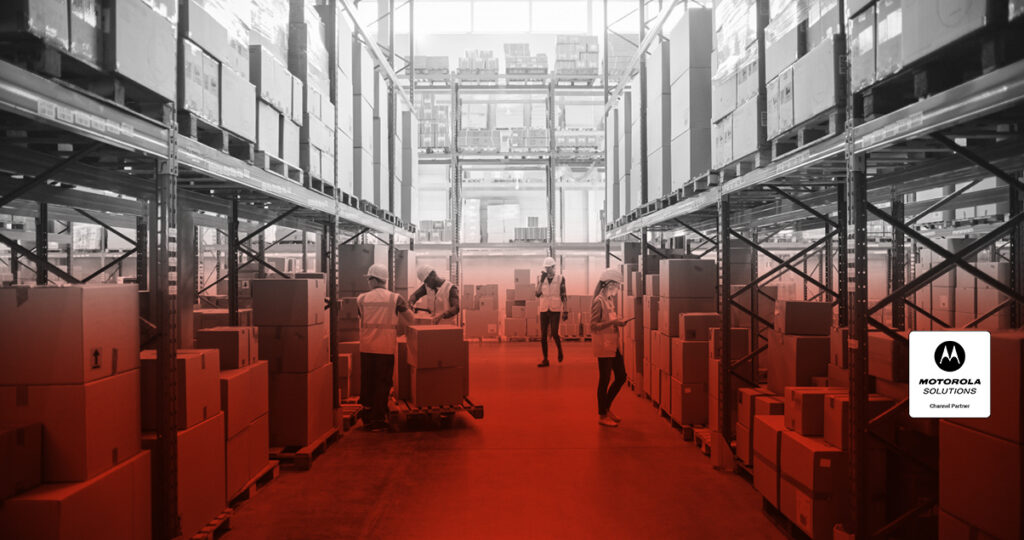
In warehouse and distribution operations, every second matters.
A missed message at the loading dock can delay a shipment. A supervisor unable to reach a picker may slow fulfillment. A forklift operator waiting for confirmation can create a backup in the aisle. A security team that cannot communicate clearly with shipping, receiving, or transportation may lose valuable time during an incident.
For Florida warehouses, logistics companies, distribution centers, fulfillment operations, transportation teams and supply-chain facilities, reliable communication is not just convenient. It is essential to keep operations moving.
That is why many organizations continue to rely on professional push-to-talk devices, dispatch solutions and expert service support to connect teams across the floor, the yard, the dock and the road.
Radio One supports Florida organizations with two-way radio repairs, replacements, MOTOTRBO system expertise, push-to-talk solutions and communication technology designed for demanding business environments.

Why Communication Breaks Down in Warehouses and Logistics Operations
Warehouses are noisy, active and constantly changing. Workers may be spread across receiving, inventory, picking, packing, loading docks, refrigeration areas, fleet yards, guard gates and office spaces. Many facilities also include steel racking, concrete walls, high ceilings, large doors, outdoor staging areas and moving equipment.
In that kind of environment, cell phones are often not the fastest or most reliable tool.
Phone calls take time. Text messages can be missed. Cellular coverage may be spotty inside large buildings. Workers wearing gloves or handling equipment may be unable to stop to unlock a phone. When an urgent issue arises, managers need to reach the right person immediately.
Two-way radios solve that problem with instant push-to-talk communication.
For logistics teams, that speed can make a measurable difference. A dock supervisor can redirect a driver. A warehouse manager can address an inventory issue. A maintenance team can respond to equipment downtime. A security team can coordinate with operations during a gate issue. A shipping lead can update the floor before delays become escalate into bigger problems.
When communication is clear, the entire operation moves more efficiently.
Did you know? Steel racking, concrete walls, high ceilings and large loading doors can all affect radio coverage inside a warehouse. That is why a communication system that works in one facility may need to be adjusted for another.

Imagine This: A Loading Dock Bottleneck
It is 7:45 a.m. at a busy Florida distribution center.
Inbound trucks are arriving. Outbound shipments are being staged. Forklift operators are moving between aisles, dock doors and trailer lanes. A supervisor is trying to keep the morning schedule on track before the next wave of drivers checks in at the gate.
Suddenly, a dock door jams.
A trailer is already backed in. Product is staged and ready to load. A driver is waiting. Another truck is due at that same dock in 20 minutes.
A warehouse worker reaches for a cell phone, but the signal is weak near the back of the building. A text is sent to maintenance, but no one sees it right away. The dock team starts asking nearby supervisors for help. The delay grows.
Now imagine a different outcome.
The dock lead presses one button on a two-way radio.
“Maintenance needed at Dock 12. Door is jammed. Outbound load waiting.”
Maintenance hears the message instantly. The operations supervisor hears it too. The transportation lead reroutes the next driver to another available door before the backup spreads. Security updates the gate team. The dock crew keeps moving.
That difference is not just convenience. It is real-time coordination in an environment where delays can affect shipments, drivers, labor schedules and customer commitments.
In logistics, communication is not separate from productivity. It is part of productivity.

Repairs Keep Existing Radio Fleets Working
Many warehouses and distribution centers already own two-way radios, but the equipment may not always be in peak condition.
A radio that worked well two years ago may now have a weak battery, a damaged antenna, a worn belt clip, poor audio or a broken push-to-talk button. Chargers may fail. Earpieces may wear out. Radios may need reprogramming as teams, channels or facility layouts change.
When radios are not maintained, the entire operation feels it.
A picker may miss a supervisor’s instruction. A loading dock worker may not hear a truck assignment. A safety alert may not reach the right team in time quickly. A maintenance issue may sit unresolved because the message never got came through clearly.
Before a busy season, warehouse and logistics teams should review the condition of their radio fleet. That review should include batteries, antennas, audio quality, microphones, chargers, accessories and channel programming.
Radio One can help organizations evaluate existing equipment and determine whether radios should be repaired, refreshed, reprogrammed or replaced. For facilities using Motorola Solutions equipment, expert service support can help extend the life of the communication system and improveing day-to-day reliability.
Did you know? A weak battery can make a radio seem like it has a range problem. Before replacing an entire radio, it is often worth checking batteries, chargers, antennas and accessories first.
When Replacement Makes More Sense Than Repair
Repair is not always the best long-term answer.
If radios are outdated, unreliable or no longer suited to the size of the operation, replacement may be the smarter investment. A facility that has grown from one shift to three shifts may need more devices. A distribution center that added a new building may need stronger coverage. A team that expanded yard operations may need a better way to communicate between indoor and outdoor areas.
Newer radios can provide improved audio, stronger durability, longer battery performance, updated accessories and more flexible system features.
For logistics operations, replacement is not just about swapping old radios for new ones. It is an opportunity to design a more reliable communication structure.
A well-planned upgrade can help organize teams, reduce unnecessary radio traffic, improve safety response and support growth across the facility.
MOTOTRBO Systems for Distribution and Warehouse Teams
MOTOTRBO systems are especially useful for warehouse and distribution operations that need organized, reliable communication across multiple teams.
A simple warehouse may only need a few channels. A larger logistics operation may need dedicated talk groups for receiving shipping, inventory, maintenance, security, transportation, supervisors and management.
With the right MOTOTRBO system design, messages can stay organized. Shipping does not need to hear every maintenance call. Security does not need to interrupt picking teams unless there is a reason. Supervisors can communicate across departments while workers stay focused on the conversations that matter to their jobs.
For Florida distribution centers, that scalability is important. A communication system should be able to grow as the operation grows.
MOTOTRBO systems can support single-site facilities, multi-building properties and more complex operations where teams need dependable coverage and clear communication across different work areas.
Did you know? Separating teams into dedicated talk groups can reduce unnecessary radio traffic. Shipping, receiving, security, maintenance and supervisors may all need different communication paths to keep operations organized.
MOTOTRBO PCR Line for Practical Business Communication
The MOTOTRBO PCR line gives businesses a practical way to improve communication with professional-grade radio technology.
For warehouses, logistics centers and distribution facilities, these radios can support the daily communication needs of supervisors, dock teams, receiving departments, inventory crews, maintenance workers and operations leaders.
The right radio should be easy to use, durable enough for the environment and clear enough to perform in noisy areas. Workers should not have to think about the technology. They should be able to pick up a device, press a button and connect with the right person.
That kind of simplicity matters in fast-moving logistics environments where delays, distractions and communication gaps can affect productivity.
CP100D for Straightforward Warehouse Communication
For many warehouses, the best solution is simple, durable and easy to use.
The CP100D is a strong fit for teams that need dependable push-to-talk communication without unnecessary complexity. It can be useful for shift leads, dock teams, inventory workers, supervisors, safety teams and general warehouse staff.
For teams transitioning from basic analog radios or replacing older equipment, CP100D radios can provide a practical path toward clearer, more reliable digital communication.
This can be especially helpful for facilities that want to improve performance without overcomplicating daily operations. A reliable radio fleet gives workers the confidence that messages will be heard when they need to be heard.
TLK 25 for Mobile and Hands-Free Teams
Some logistics workers need communication that is compact and easy to carry.
The TLK 25 wearable push-to-talk device can be useful for workers who are constantly moving, such as supervisors, runners, yard coordinators, transportation leads, security teams and facility managers.
In logistics environments, wearable communication can be helpful when workers need to stay connected without always carrying a traditional handheld radio.
That flexibility can support teams working across loading areas, office spaces, warehouse aisles, security posts and outdoor staging zones. For managers and mobile team members, the ability to communicate quickly without interrupting workflow can make daily coordination easier.
Did you know? Wearable push-to-talk devices can be helpful for mobile workers who need quick communication without carrying a traditional handheld radio. This can be useful for supervisors, yard coordinators, security teams and operations lead.
SmartPTT and Avtec for Dispatch and Centralized Control
Large distribution operations often need more than basic radio-to-radio communication.
A centralized dispatch or operations center can help manage communication across departments, shifts and locations. That can be especially helpful for warehouses with security gates, transportation lanes, multiple loading areas, yard trucks, maintenance teams and high-volume shipping schedules.
SmartPTT can help organizations manage radio users, talk groups and system activity. It can give managers greater visibility into communication patterns and help support more organized operations.
Avtec dispatch solutions can support centralized communication for command centers, security operations and logistics control rooms.
For larger facilities, this can improve visibility, reduce confusion and help managers coordinate faster when priorities change.
Build a Better Communication Plan Before the Next Bottleneck
Warehouse communication problems often show up during the busiest moments: shift change, truck arrival windows, inventory discrepancies, safety incidents, equipment downtime or peak shipping volume. The best time to solve those problems is before they happen.
A good communication plan should answer:
How many workers need radios? Which teams need separate channels? Does coverage need to extend outdoors? Are there dead zones inside the building? Are existing radios worth repairing? Should older radios be replaced? Do supervisors need dispatch visibility? Are accessories, batteries and chargers ready? Is the system designed for future growth?
By reviewing these questions, logistics leaders can identify weak points before they affect performance.
A communication system should match the way the facility operates. Shipping, receiving, inventory, transportation, maintenance and security may all have different communication needs. Radio One can help evaluate those needs and recommend a solution that supports the full operation.
Did you know? Communication needs often change as a facility grows. Adding shifts, expanding yard operations, opening a new building or increasing delivery volume can all create the need for updated radios, stronger coverage or centralized dispatch support.
Keep Florida Distribution Operations Moving
In logistics, delays are expensive. Miscommunication can affect orders, drivers, dock schedules, safety responses and customer commitments.
Reliable communication helps teams move faster, work safer and respond with confidence.
Whether your organization needs radio repairs, replacement radios, MOTOTRBO system expertise, CP100D radios, TLK 25 wearable devices, SmartPTT software or Avtec dispatch integration, Radio One can help design a communication solution for Florida warehouse, distribution and logistics environments.
From the warehouse floor to the loading dock, and from the guard gate to the fleet yard, communication keeps the operation moving.
Contact Radio One today to discuss two-way radio repairs, replacements, upgrades or a custom communication solution for your Florida warehouse, distribution center or logistics operation.

Consider Renting: Radio Rentals for Seasonal Peaks, Projects and Short-Term Rental Needs
Not every logistics operation needs to purchase radios immediately. Many need short-term, flexible communication support.
That is where rentals are valuable.
Radio rentals can support:
Seasonal warehouse volume Holiday fulfillment peaks Inventory counts Temporary distribution projects Construction or expansion phases New facility launches Overflow staffing Yard management Transportation staging Emergency replacement needs Short-term rental requests Special operations or weekend shifts
For warehouse managers and operations leaders, rentals provide a practical way to scale communication without committing to a permanent fleet until before the need is fully understood.
Radio One’s rental program includes push-to-talk radios, Motorola radio rentals and radio accessories. Rental engagements can also include coverage assessment, FCC-licensed frequencies when required, radio recommendations, charging stations and cleaning protocols.
That matters in distribution environments because a rental radio package should not be random. The correct solution depends on the size of the facility’s size, the number of workers, the building’s structure of the building, the number of departments and whether communication must extend into parking lots, guard shacks, trailer yards or multiple buildings.