


In today’s construction environment, General Contractors (GCs) and Electrical Contractors (ECs) are under constant pressure to deliver projects faster, safer, and more efficiently than ever before.
Tighter timelines. Labor shortages. Increased safety regulations. More complex builds.
Yet one of the most overlooked factors impacting all of these challenges is something deceptively simple:
Job site communication systems.
Forward-thinking GCs and ECs are beginning to recognize that communication is no longer just a tool. It’s a critical layer of construction infrastructure that directly affects productivity, safety, and project outcomes.

The Shift: From Basic Radios to Integrated Communication Systems
Traditionally, communication on construction sites meant handheld radios and phone calls. But modern job sites demand far more coordination across:
- Multiple trades
- Large crews
- Distributed job sites
- Fleet and material logistics
Today’s leading contractors are adopting integrated voice, video, and data solutions that keep everyone connected in real time.
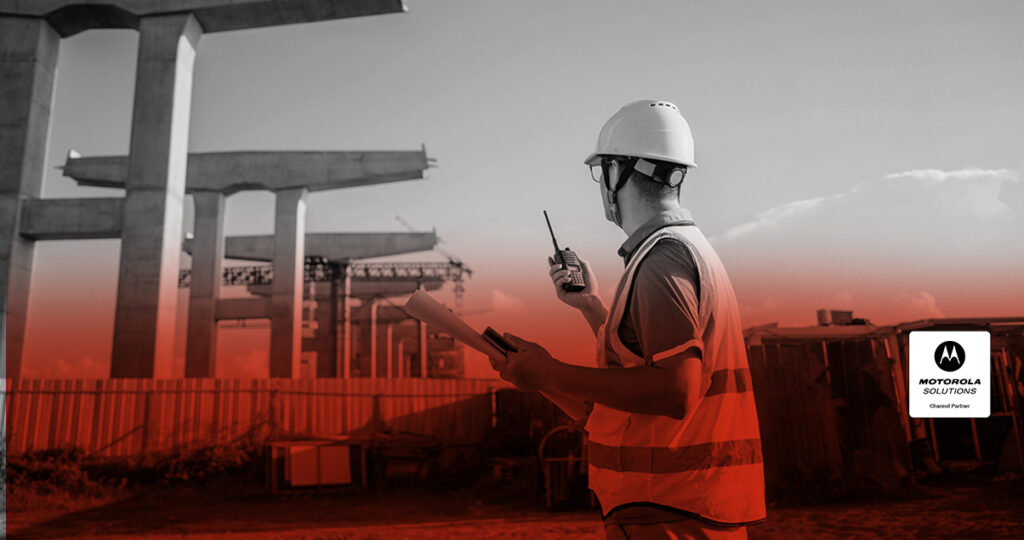
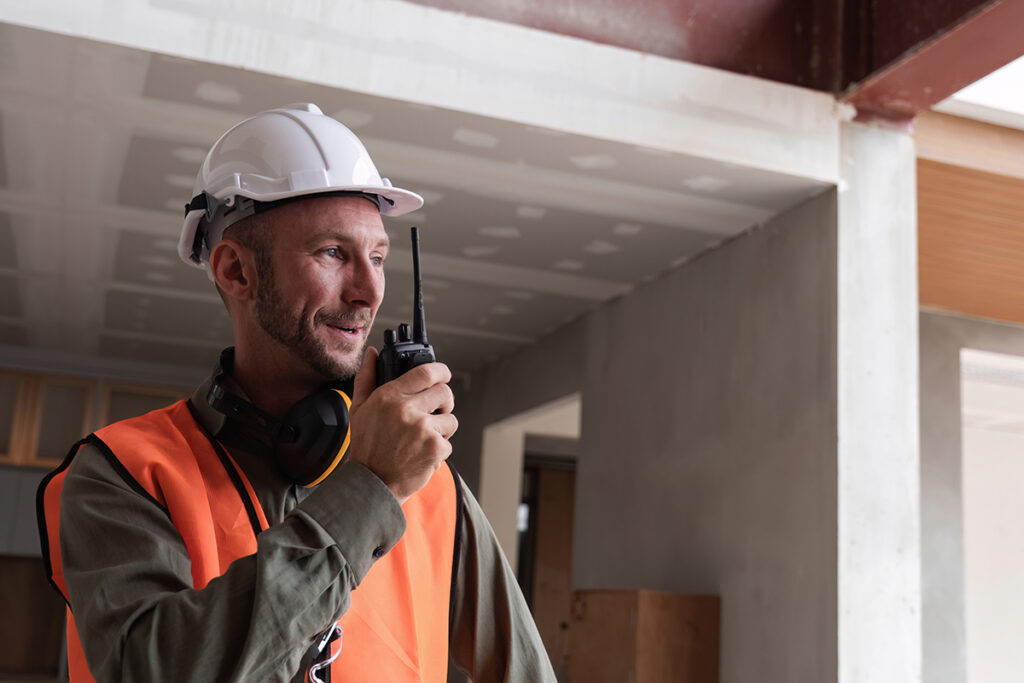
Solutions like push-to-talk two-way radios, mobile radios, and wide-area communication networks allow teams to:
- Instantly mobilize crews
- Reduce downtime between tasks
- Coordinate deliveries and equipment
- Eliminate unnecessary movement across the job site
For GCs managing multiple subcontractors and ECs coordinating complex installations, this level of communication can significantly improve workflow efficiency.
Reducing Delays and Cost Overruns on the Job Site
Every GC and EC knows that small inefficiencies can quickly escalate into major delays.
A missed message.
A delayed delivery.
A crew waiting on instructions.
These issues compound into:
- Lost productivity
- Schedule slippage
- Increased labor costs
- Rework and errors
By implementing reliable two-way communication systems, contractors can reduce these risks by ensuring that field teams, supervisors, and fleet operators stay continuously connected.
Real-time communication means faster decisions and faster decisions keep projects moving.

Improving Construction Site Safety with Connected Technology
Safety is a top priority for both GCs and ECs, but modern safety expectations go beyond compliance.
Today’s job sites require proactive safety systems, not just reactive processes.
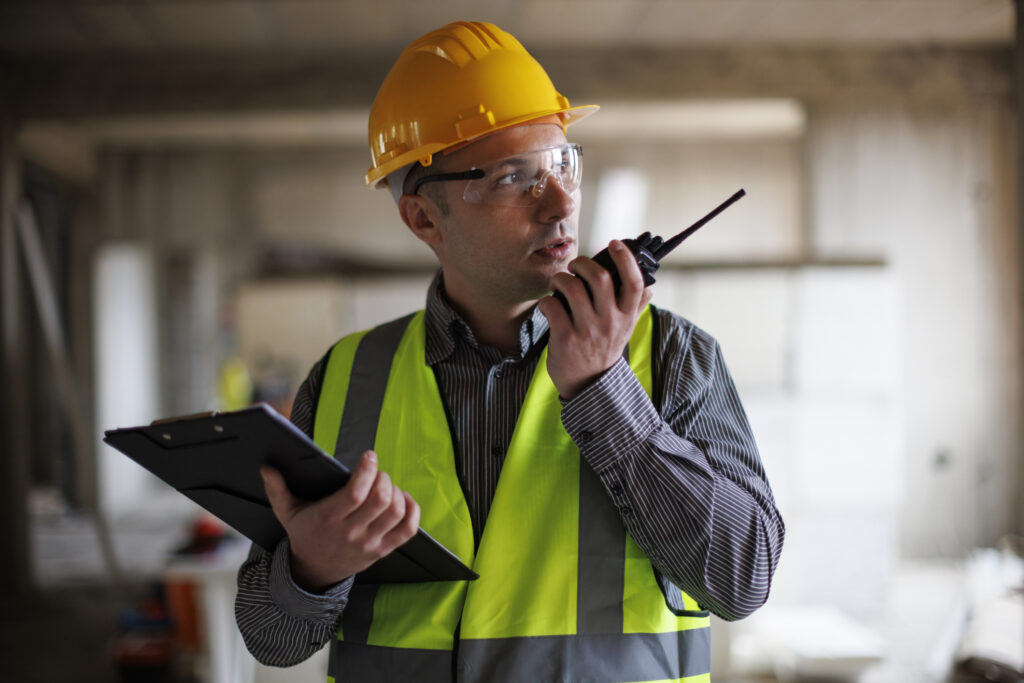
Advanced two-way radio systems now include:
- Emergency alerts and all-call notifications
- GPS tracking for workers and equipment
- Man-down and lone-worker monitoring
- Instant hazard communication
These features allow contractors to respond immediately to incidents, improving response times and helping reduce OSHA-related risks.
For large or multi-level construction projects, this level of visibility can make a critical difference.
Public Safety DAS and ERRCS:
What GCs and ECs Need to Know
One of the biggest challenges impacting construction timelines today is code compliance for in-building communication systems.
Many municipalities now require:
- Public Safety DAS (Distributed Antenna Systems)
- ERRCS (Emergency Responder Radio Communication Systems)
Without these systems in place, projects can face delays in obtaining a
Certificate of Occupancy (CO).
For GCs and ECs, this creates a key responsibility:
- Ensuring compliance with local fire and safety codes
- Coordinating system design early in the project lifecycle
- Avoiding costly retrofits late in construction
Working with experienced providers during early construction
phases allow contractors to:
- Optimize antenna placement
- Minimize cable runs
- Reduce labor costs
- Prevent inspection delays
Early planning is no longer optional; it’s essential.
In-Building Cellular Coverage: A Growing Requirement
Modern construction materials, such as concrete, steel, and Low-E glass, can significantly reduce cellular signal strength inside buildings.
For tenants and building owners, poor connectivity is unacceptable.
For GCs and ECs, this means incorporating in-building wireless solutions such as:
- Cellular Distributed Antenna Systems (DAS)
- Bi-Directional Amplifiers (BDA)
- Neutral host networks
These systems ensure strong, reliable cellular coverage throughout the building and are increasingly expected in:
- Commercial developments
- Healthcare facilities
- Multi-family residential projects
- Industrial buildings
Delivering a building without reliable connectivity can impact tenant satisfaction and long-term asset value.

Construction Site Security: The Role of Video Surveillance and AI Analytics
Job site security is another growing concern for contractors, with risks including:
- Equipment theft
- Material loss
- Vandalism
- Safety violations
Modern video surveillance systems, powered by AI analytics, provide more than just recorded footage; they deliver real-time insights and proactive protection.
These systems can:
- Monitor access points and restricted areas
- Detect suspicious activity
- Improve OSHA safety compliance
- Protect high-value inventory and equipment
For GCs and ECs, integrating video surveillance into the job site can reduce losses and improve overall project control.
Why GCs and ECs Are Choosing Single-Source Technology Partners
As communication, safety, and connectivity systems become more complex, managing multiple vendors can create inefficiencies and risk.
That’s why many contractors are turning to single-source providers for:
- Two-way radio communication systems
- Public safety DAS and ERRCS compliance
- Cellular DAS and in-building wireless solutions
- Video surveillance and security systems
A unified approach ensures:
- Seamless system integration
- Faster deployment
- Simplified project management
- Ongoing support and maintenance
For GCs and ECs, this translates into fewer headaches and better project outcomes.
Final Takeaway:
Communication Is Now Core to Construction Success
For today’s General Contractors and Electrical Contractors, success is no longer just about completing a build; it’s about how efficiently, safely, and intelligently that build is delivered.
And at the center of it all is communication.
From improving productivity and safety to meeting code requirements and delivering connected buildings, modern communication systems are now a critical part of construction planning and execution.
The question is no longer whether you need a better communication infrastructure…
It’s whether your current systems are keeping up with the demands of today’s job sites.